

May 6 — November 22, 2026
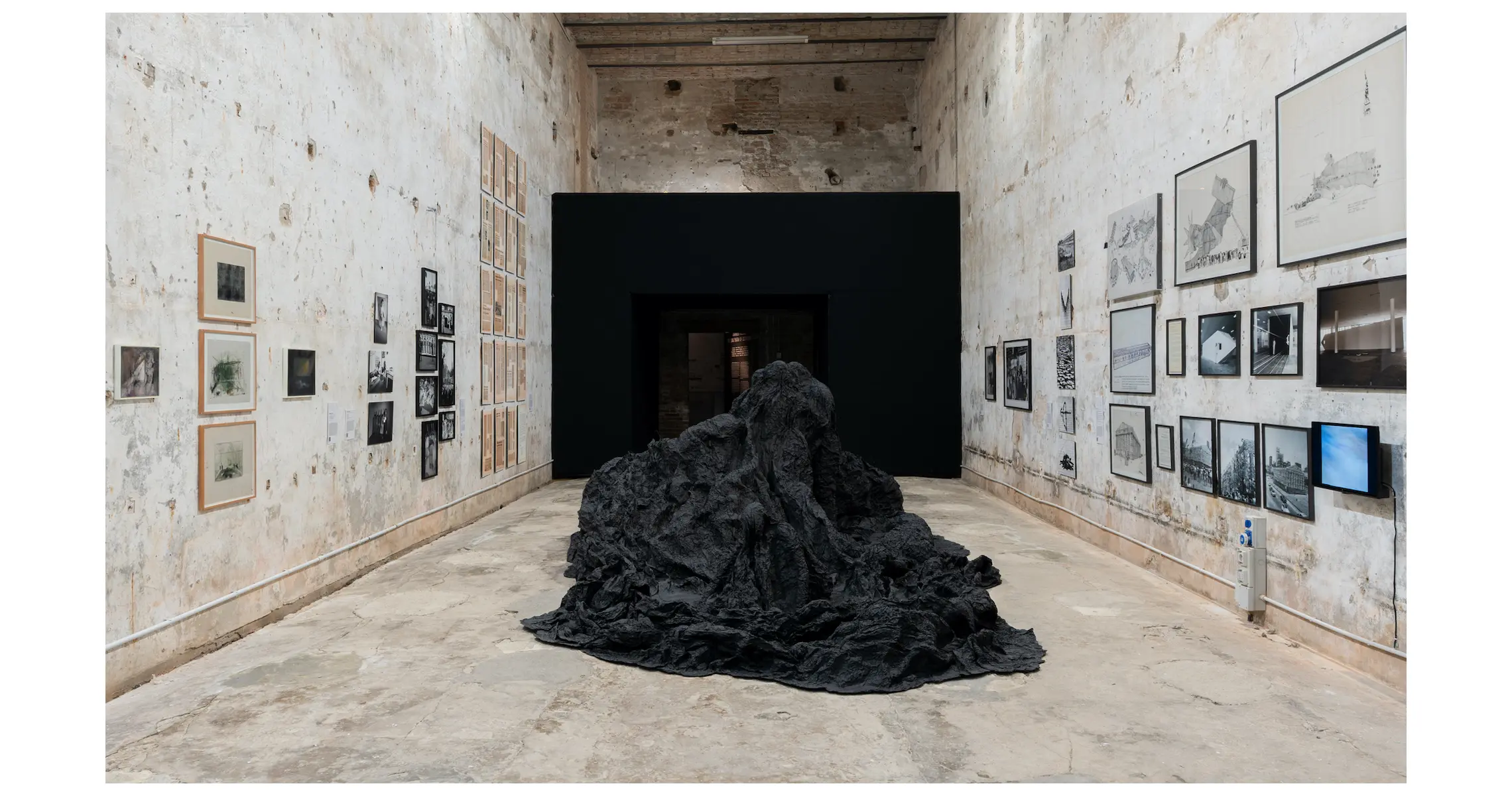
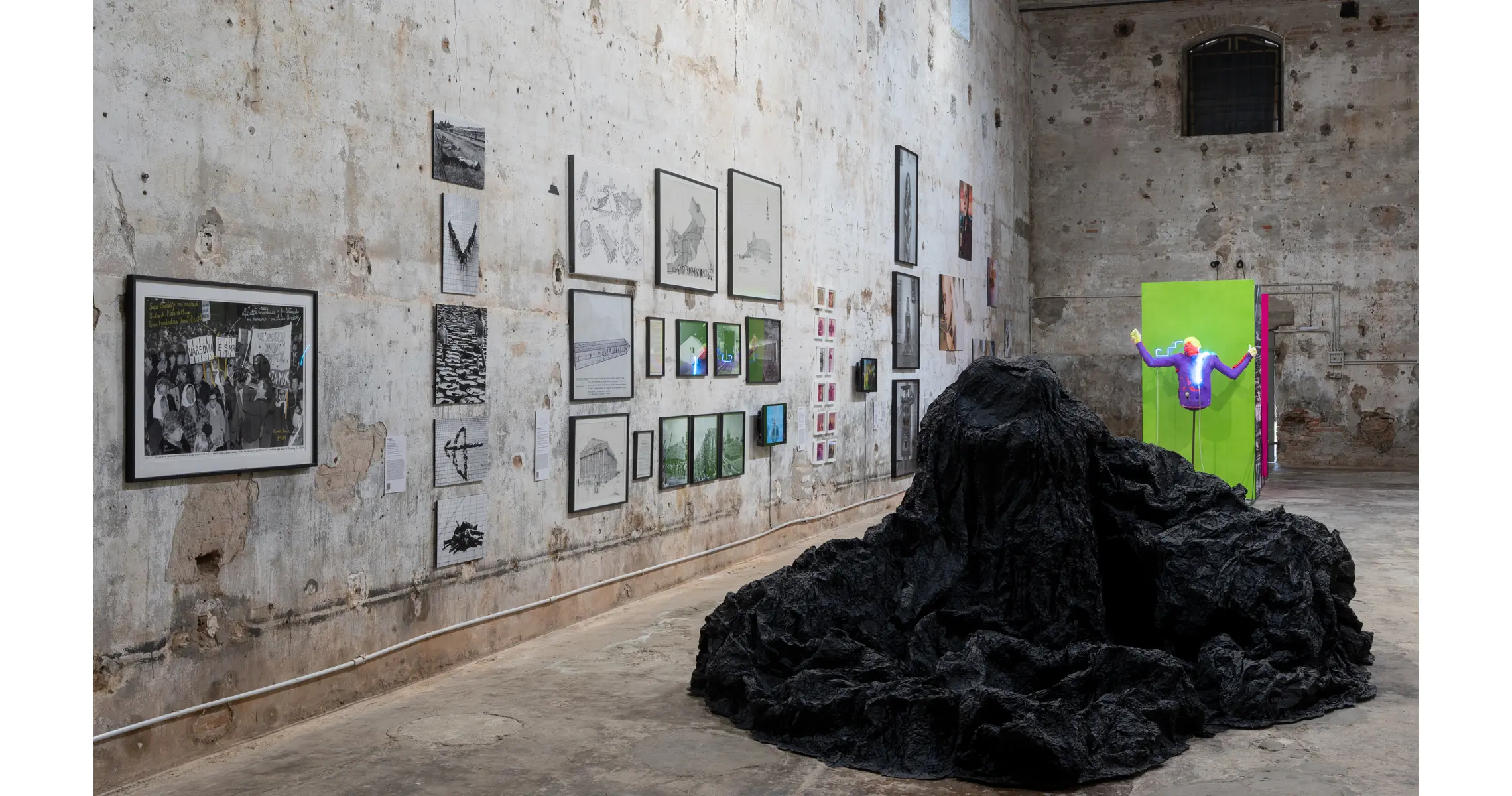
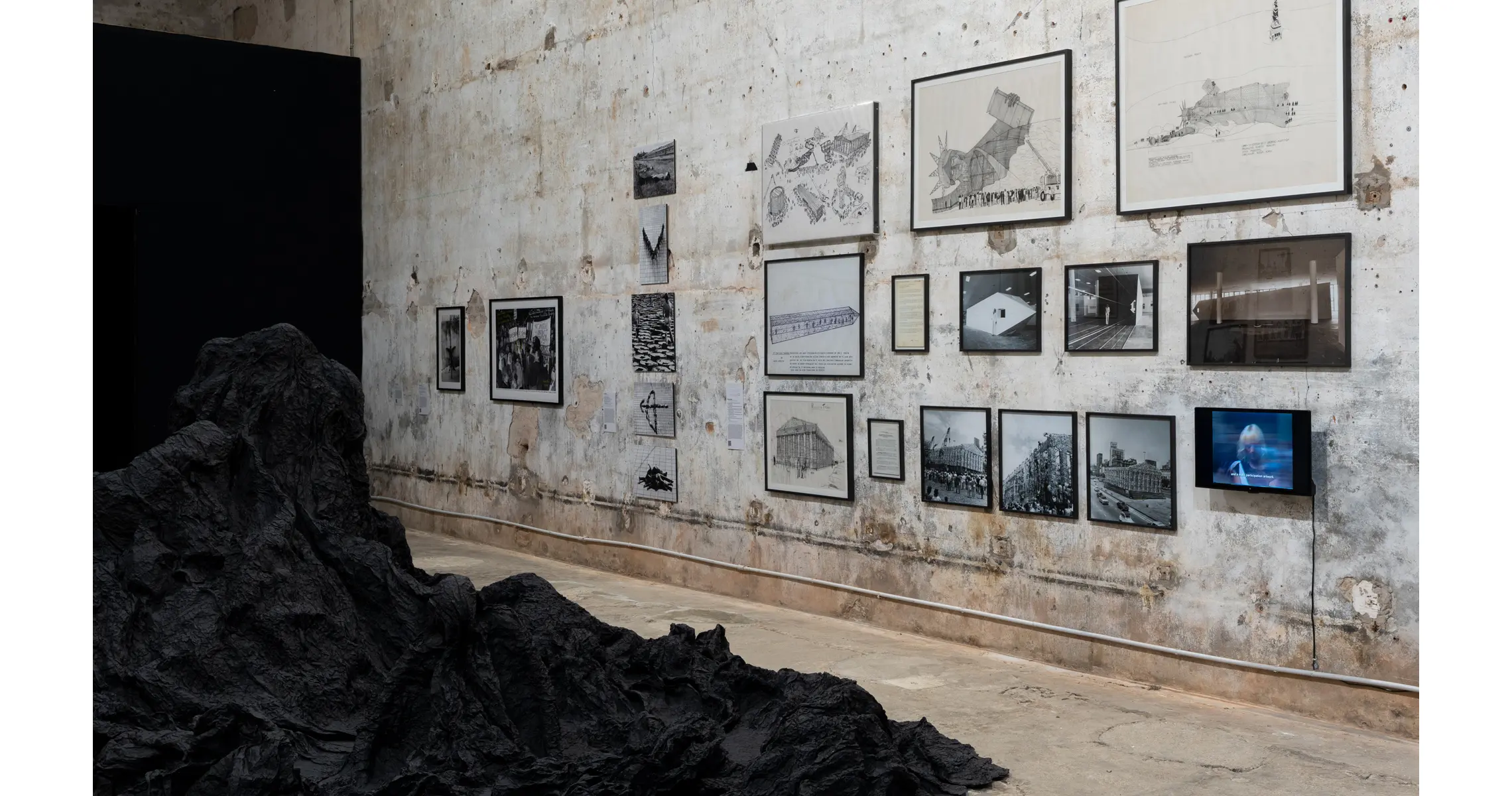
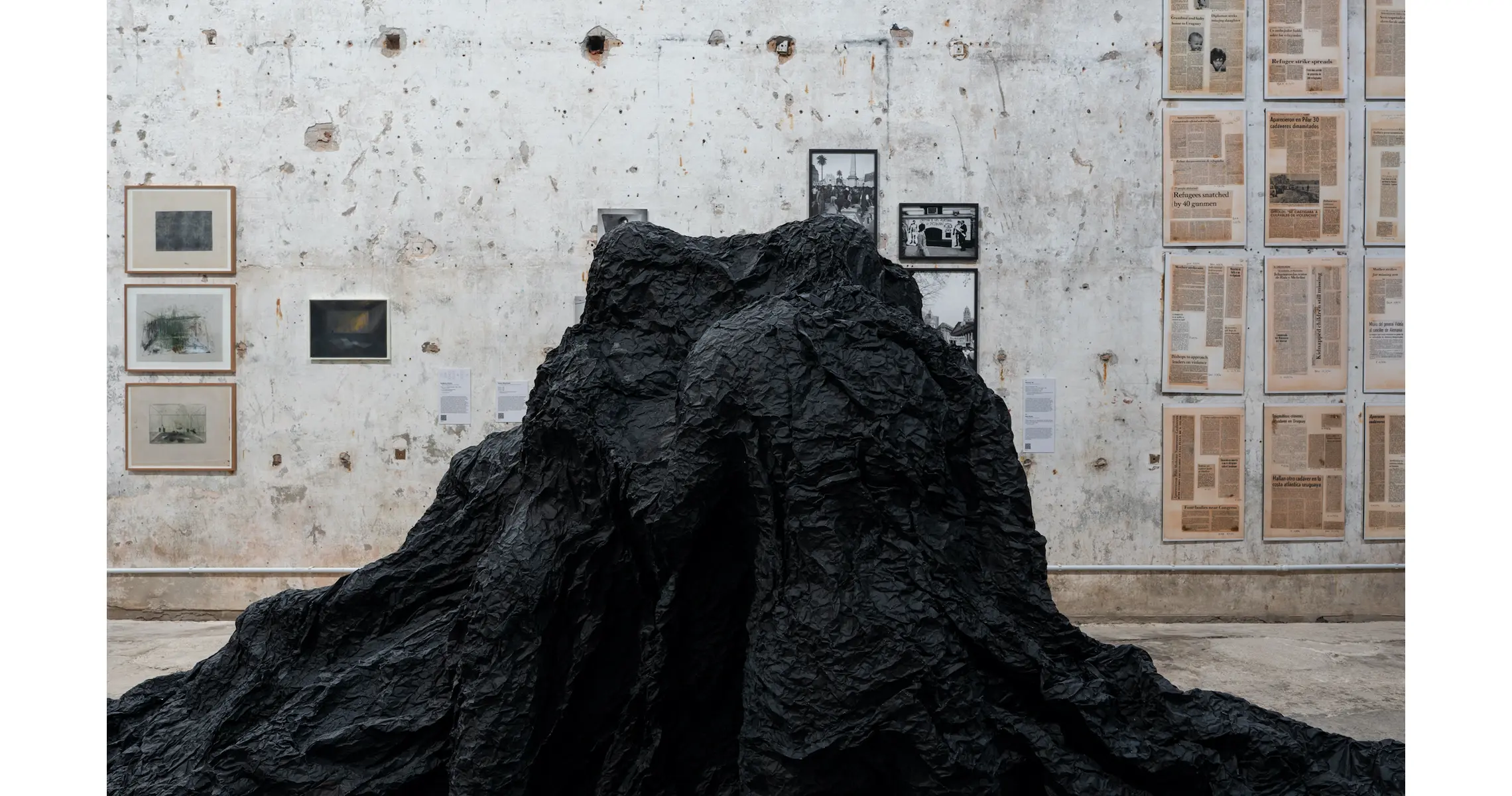
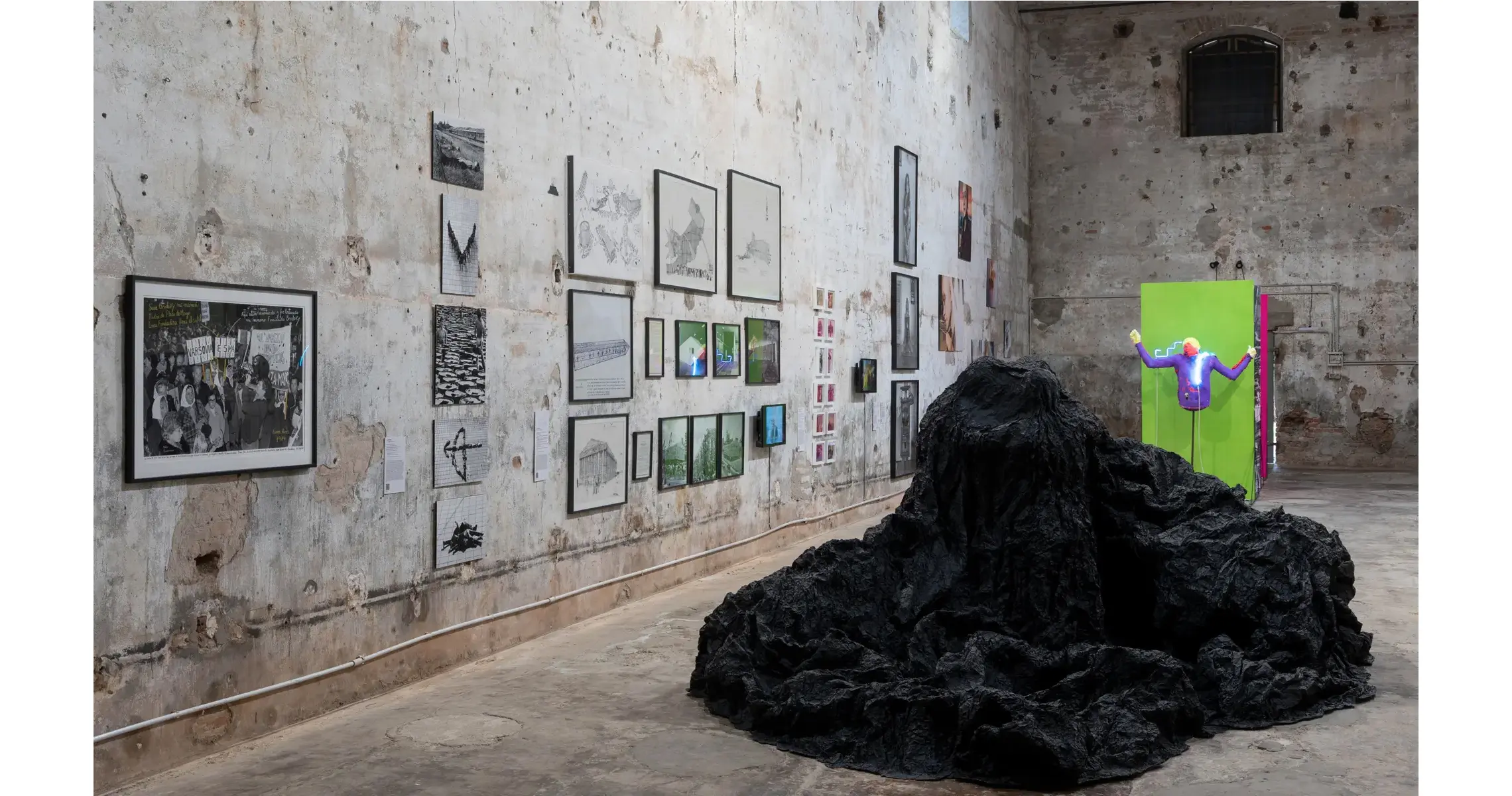
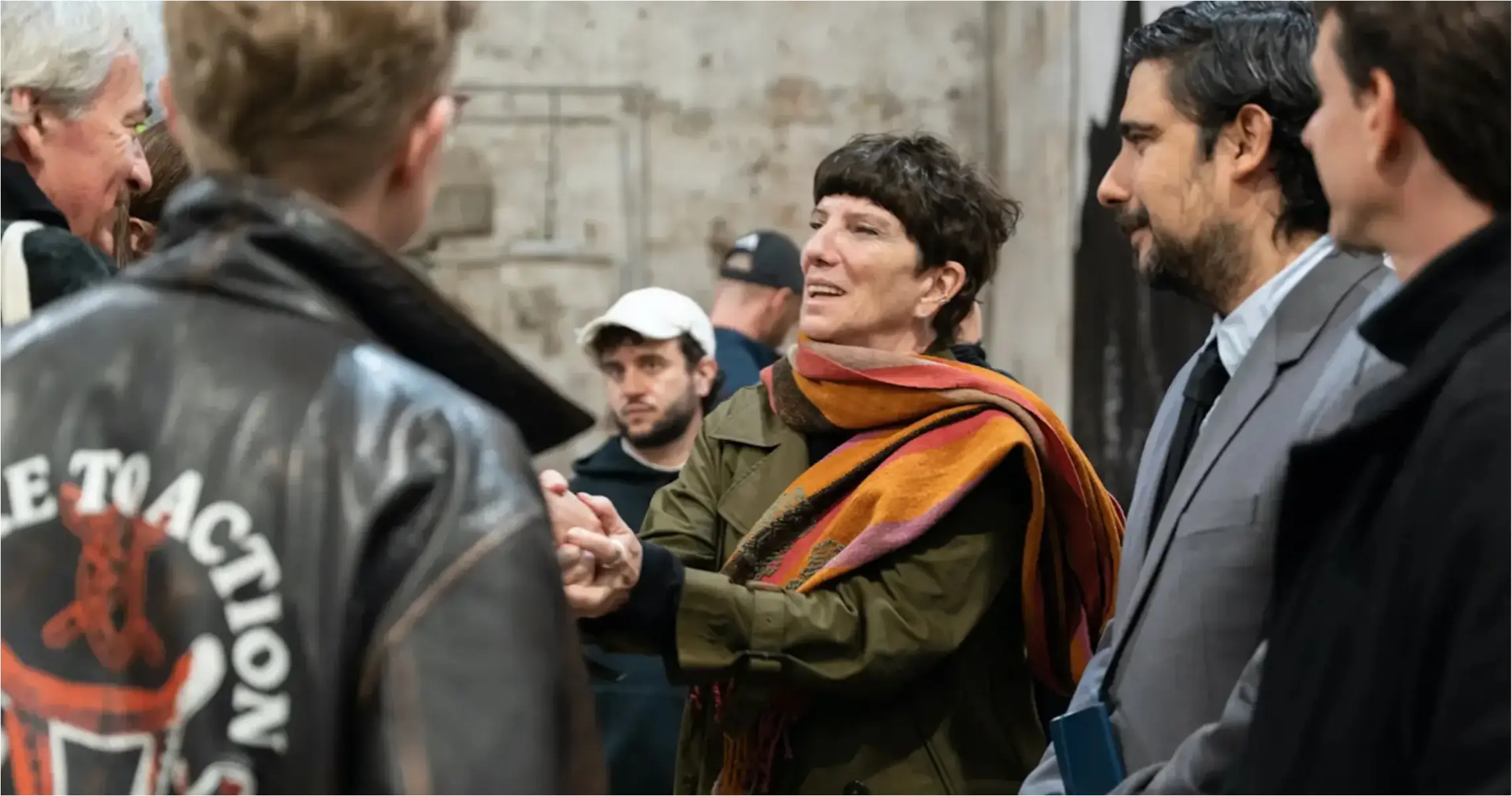
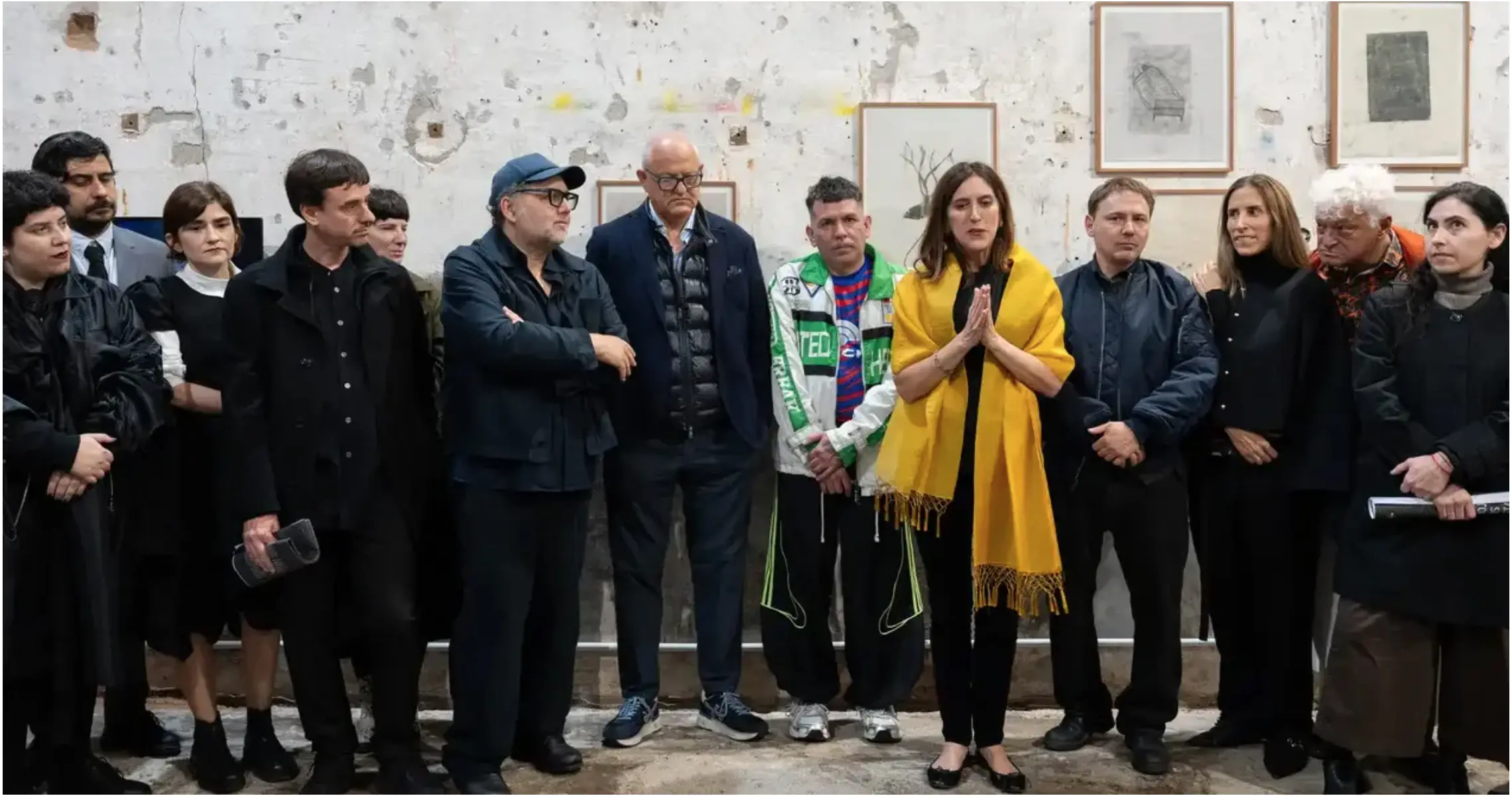
“Darkness Visible: The Long Shadow of Dictatorship” commemorates the 50th anniversary of the coup d’état that led to Argentina’s last military dictatorship. Featuring 18 artists and collectives spanning from the 1970s to the present, the exhibition reflects on censorship, violence, forced disappearances, memory, and human rights. It reclaims the museum as a civic space and art as a means of confronting history, resisting state terror, and keeping memory alive.
Ana Gallardo’s artistic practice bears witness to a lifetime dedicated to bringing to light the emotional bonds shaped by loss. Among her works, several address gender-based violence as it affects girls and women throughout contemporary Latin America. Gallardo views art as politics and activism, as a tool for “talking about what no one wants to talk about.” The daughter of an artist who died when she was just seven years old, Gallardo works with memory through the traces and objects that survived her mother. Time and again, her monumental drawings denounce violence and give visibility to girls and young women rescued from human trafficking networks operating in Argentina, Mexico, and Guatemala—women who have lost their dignity and, ashamed, cover their faces. Alive or dead, victims of what the artist calls a “machinery of femicides,” these women are rooted in a local history and in the territories to which they belong. Most of these drawings are executed in charcoal, a material that evokes a deep connection to the earth—the very soil to which many of the murdered bodies return. Thus, in the drawings created for this exhibition, Gallardo’s women merge with the landscape; their arms become mangroves, their community the silhouette of a mountain. In the artist’s words, “[as] I draw them, the charcoal dictates to me what I cannot forget; it dictates how to construct the landscape.” These drawings also evoke the violent times of the dictatorship in Argentina (1976–1983), when women were raped, kidnapped, and tortured, and treated as sex slaves in clandestine detention camps.
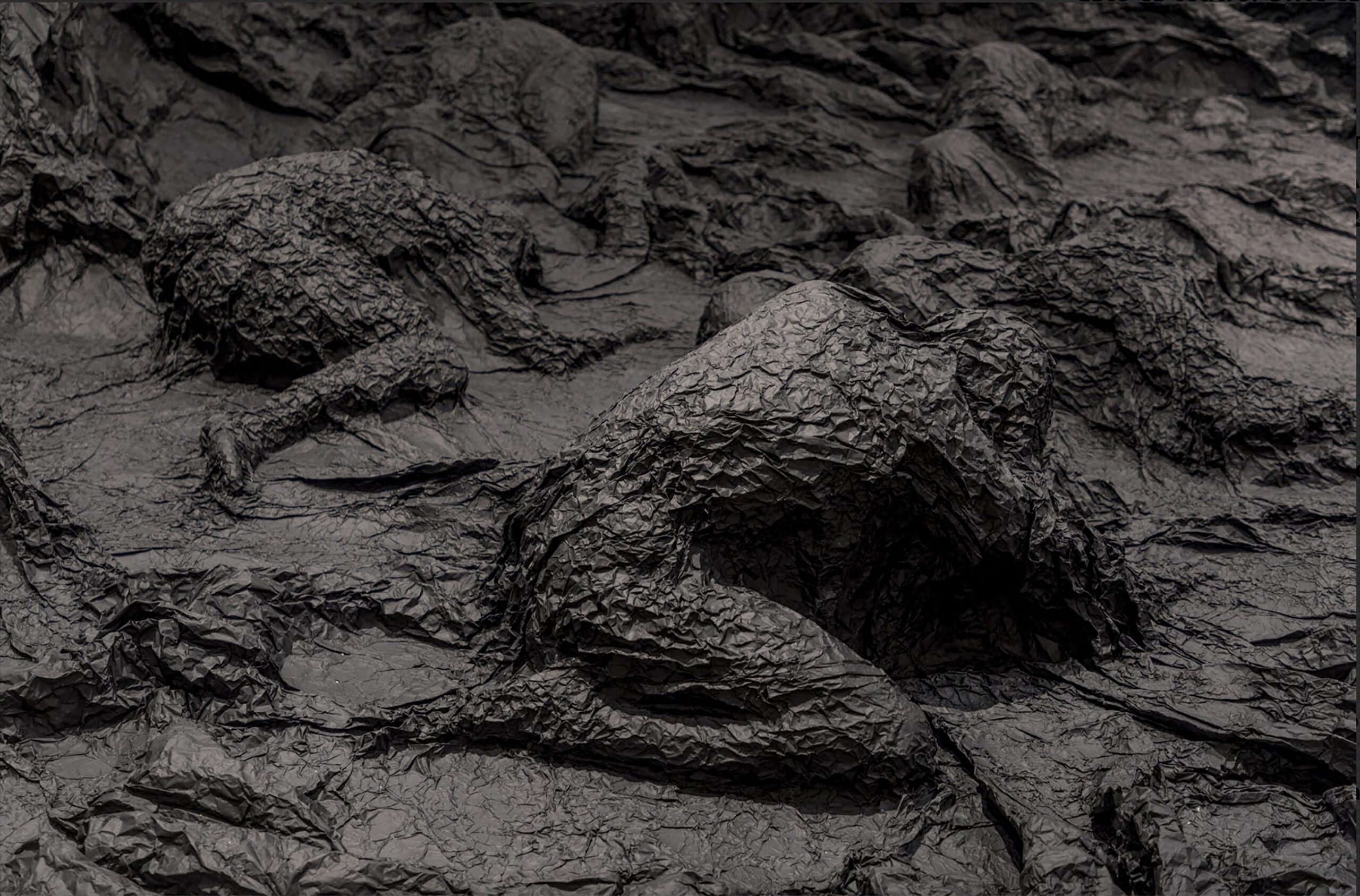
Eduardo Basualdo nació en el invierno de 1977, en la época más álgida de la brutal represión de la dictadura militar. Este clima de amenaza, a veces ostensible, a veces insidiosa, entrelazado con los miedos primordiales de la infancia, pudo haber dejado una huella en su obra, poblada de presencias ocultas y fuerzas incontrolables. En esta obra, Basualdo emplea papel de aluminio negro para esculpir un grupo viviente de figuras en fuga. Al presionarlo y moldearlo directamente sobre los cuerpos, el material registra sus movimientos y gestos antes de que los cuerpos sean retirados y dejen tras de sí una cáscara hueca. La escultura es tan liviana como resistente: frágil, pero capaz de conservar la forma. Se alza como una tensa frontera entre la presencia y la ausencia, la representación y la pérdida. Las figuras permanecen suspendidas en un estado de equilibrio inestable, oscilando entre la formación y el colapso. ¿Marcan el surgimiento de una comunidad o son vestigios de su desaparición? ¿Son las ruinas de una tragedia reciente o los primeros indicios de una reanimación en ciernes?
Eduardo Basualdo was born in the winter of 1977, at the height of the military dictatorship’s brutal repression. This atmosphere of threat—sometimes overt, sometimes insidious—intertwined with the primal fears of childhood, may have left its mark on his work, which is filled with hidden presences and uncontrollable forces. In this work, Basualdo uses black aluminum foil to sculpt a living group of fleeing figures. By pressing and molding it directly onto the bodies, the material records their movements and gestures before the bodies are removed, leaving behind a hollow shell. The sculpture is as light as it is resilient: fragile, yet capable of retaining its form. It stands as a tense boundary between presence and absence, representation and loss. The figures remain suspended in a state of unstable equilibrium, oscillating between formation and collapse. Do they mark the emergence of a community, or are they vestiges of its disappearance? Are they the ruins of a recent tragedy, or the first signs of a budding revival?
