The Future of Yesterday’s Dreams
By Martín Felipe Castagnet
What is the warmth of a home? What transforms a house into a home? A roof is not enough to define it. But what do we need to point ourselves in the true direction of our dreams? Its definition is increasingly distant, yet we hold it close in our fists. We make our home wherever we can rest each night from the exhaustion of not having a home.
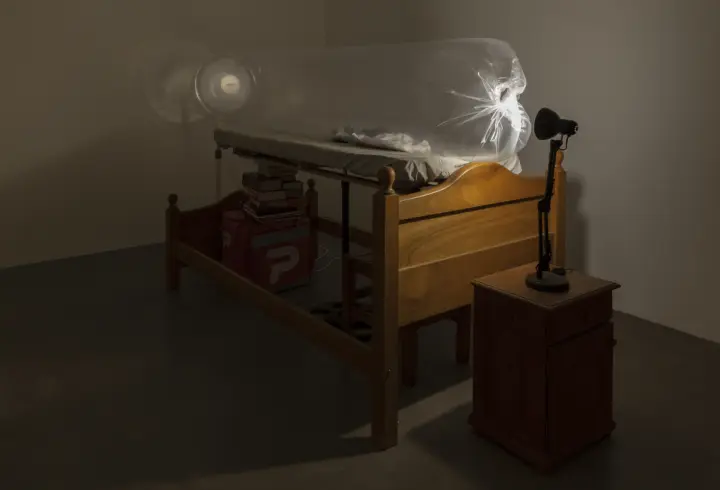
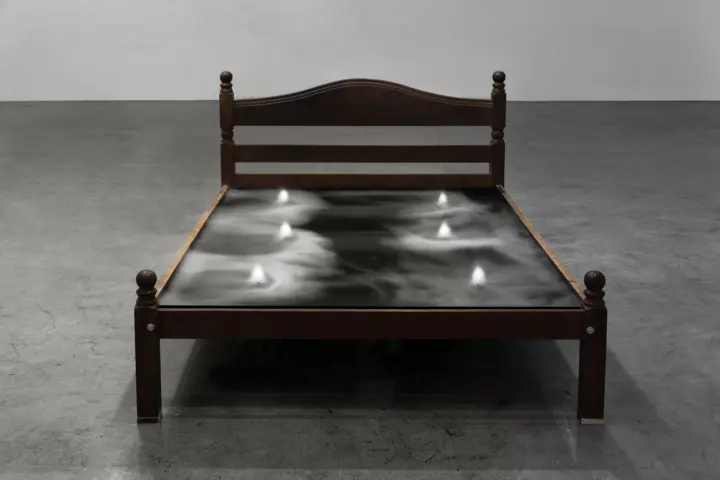
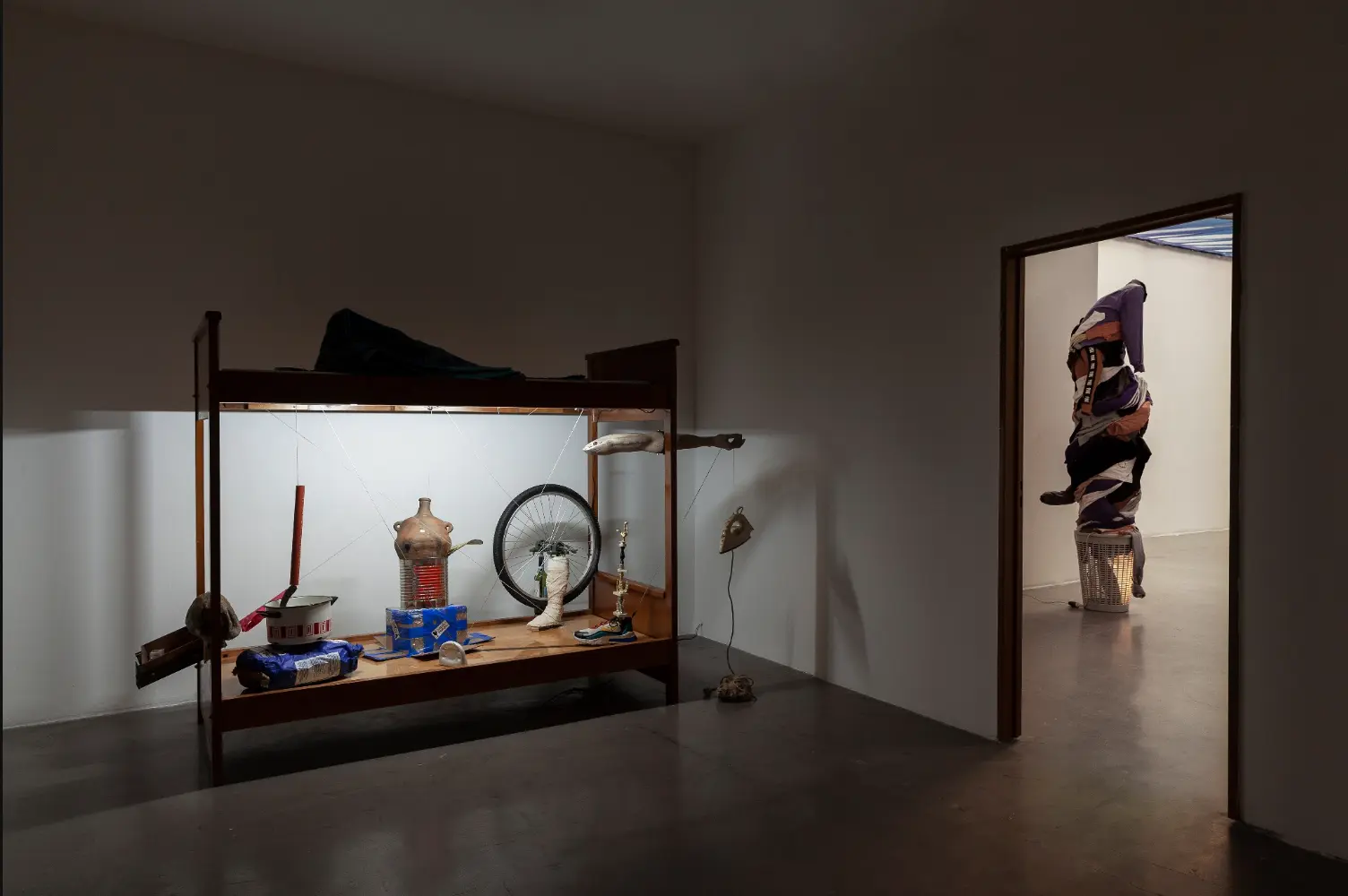
That is why a bed is more than a piece of furniture: the bed is a living piece of furniture. Much more than a surface, little more than a rectangle, even the simplest mattress on the floor is a root in an age when everything floats in the air. The bed remains the place of our fantasies: the lustful and the mournful, because the ideal place in which we imagine our death will always be a bed.
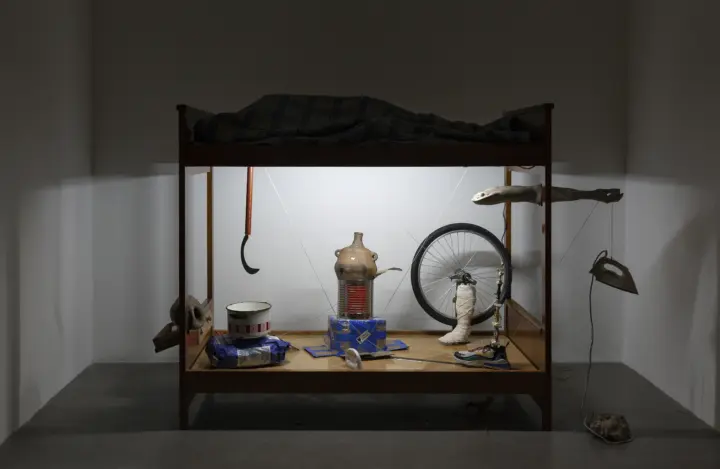
In the past, it was believed that humans released toxic gases while sleeping; beds from that time seem to have been made for dwarfs, since they advised sleeping in a semi-seated position. Long before that, people had invented box beds, allowing them to sleep in barns among dogs and horses, small wooden sarcophagi for rich and poor alike that retained heat during the harshness of winter. Shared pallets, kilos of feathers gnawed by rats—there is no material in nature that desperation has not turned into a bed.
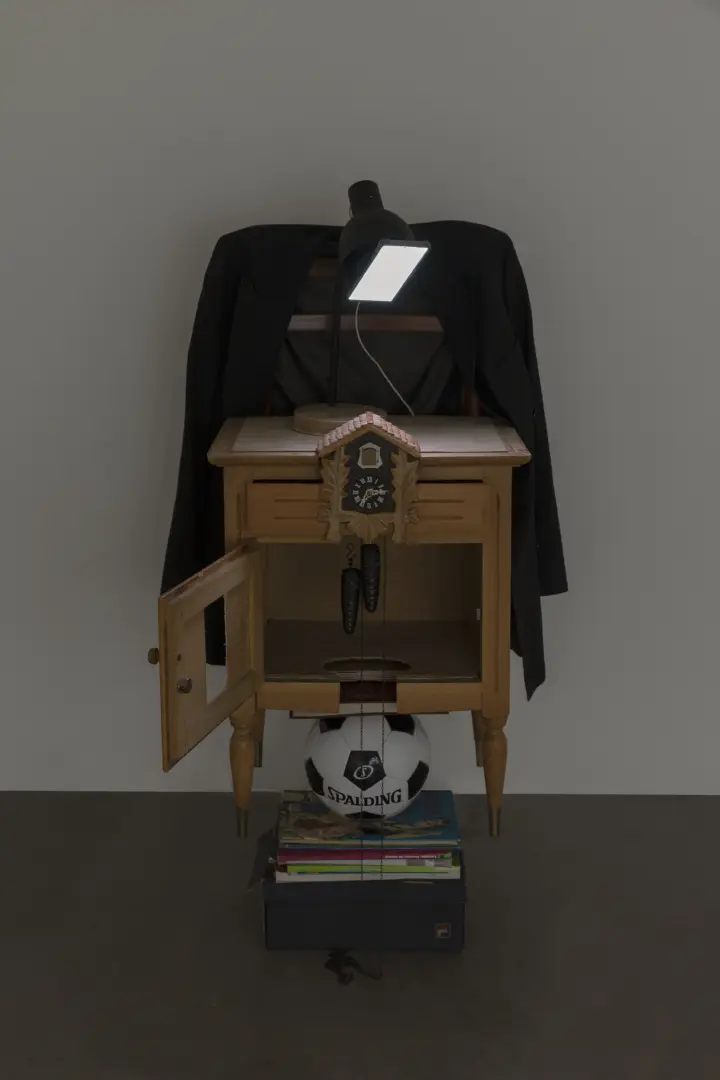
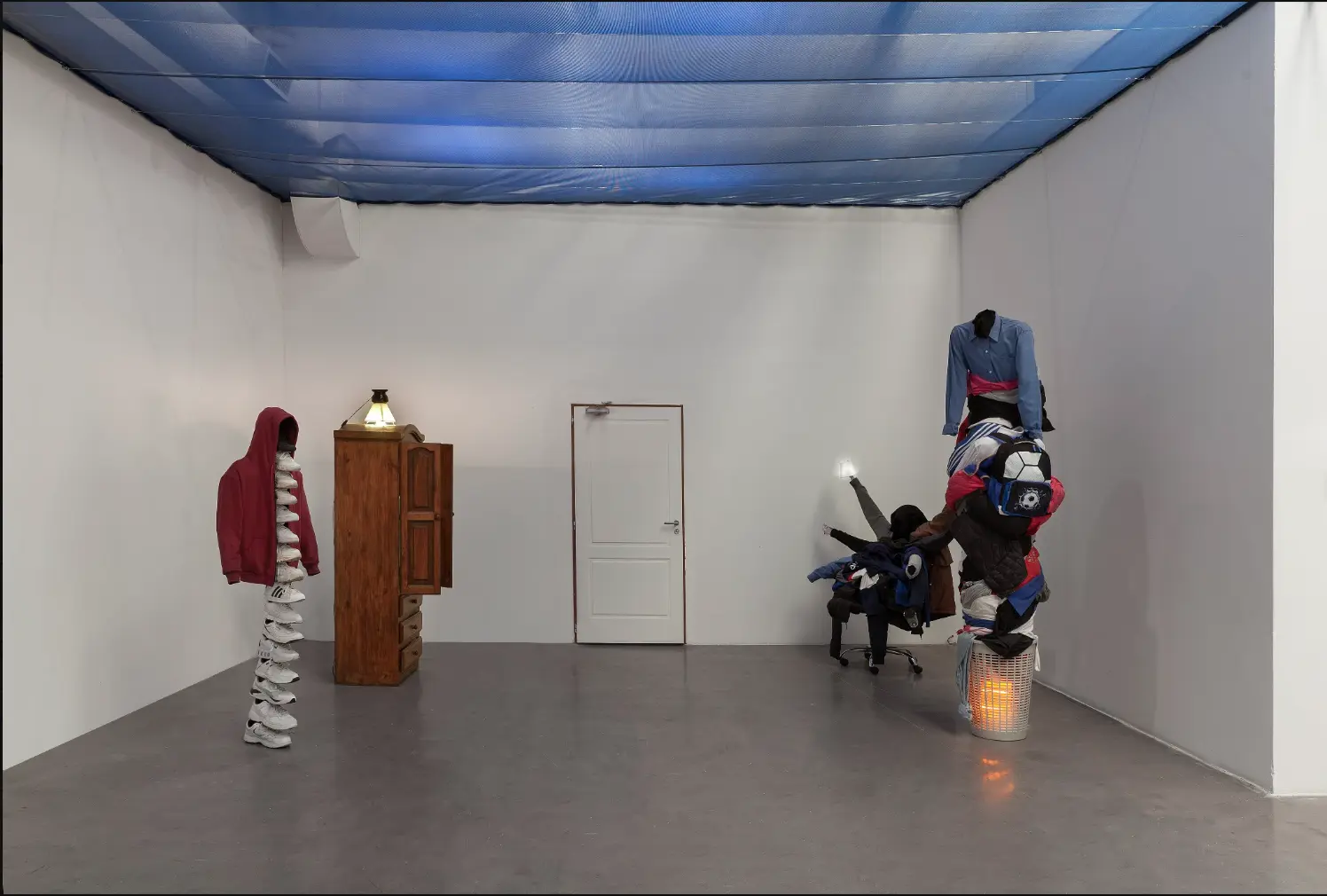
Which aspects of our current sleep will be seen as ridiculous several centuries from now? Will they laugh at our chairs, always occupied by piles of clothes, or at the bedside table that is never empty? What forms of sleeping will exist in the future? Will we sleep connected to oxygen tubes, to serene virtual republics? There is no longer any room for leisure that is not also business. Will we work while we sleep as well? Will pajamas become uniforms, blankets become advertisements, darkness become streaming? Before long, restless and without respite, we will be subjected to the obligation of monetizing our sleep.
More and more people feel expelled from the territory of rest. We wake up exhausted, as if we had never slept, as if a cook had slowly fried us in our sheets while we slept. We get up with our wrists numb from our nighttime scrolling. The bed once again becomes a cog in the machine, a device made of springs and memory foam that is no different from a household appliance except for its size. But we still have time to resist. Faced with a logic that forbids us from resting, that distances us from the very notion of home, the time has come to bring the bed into public space, to populate universities and squares with beds, and to transform rest once again into our home.
The church of the future will not be made of crosses but of pillows, and those who kneel beside the bed and pray to the bed itself will be saved.