There is a kind of intelligence associated with survivors, ancient navigators, and interpreters. It is an intelligence that is not demonstrated through public discourse or political self-assertion, with their more exhibitionist traits, but rather has to do with adopting the shape of the environment in order to deceive the predator/observer (who are often one and the same). In these cases, being intelligent consists precisely in the ability not to reveal that one possesses intelligence.
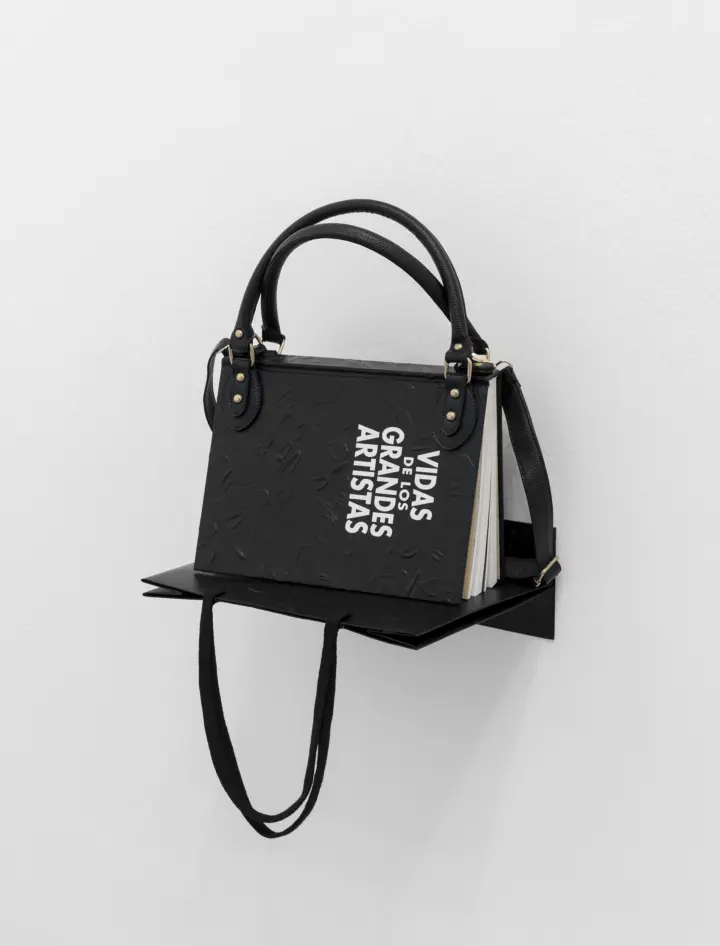
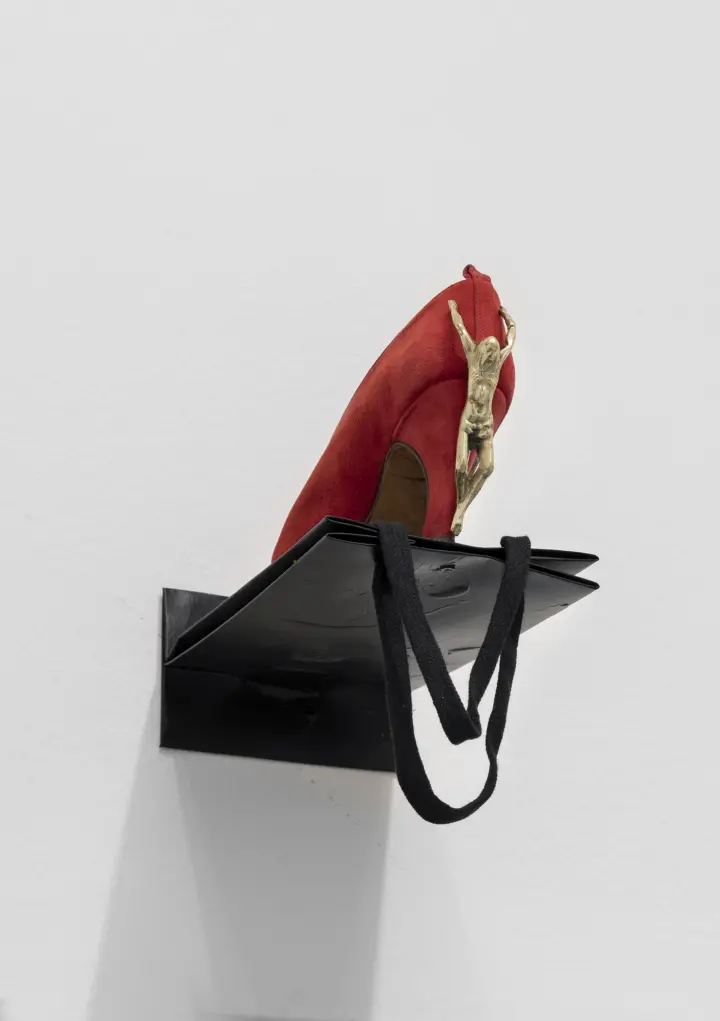
The spy objects produced by the media imagination of the Cold War operate according to the same Trojan matrix: their structure is divided in two, but one half remains concealed, or silent. Morphologically, they project the appearance of an innocent object 𝓧 —a thermos for drinking mate, a box of medals brought back from Copenhagen—, yet mechanically they are designed to carry out the operations of a hostile object 𝓨 —an explosive device, a valve that releases neurotoxic gas. The spy object must disguise itself, allowing its victim to attribute to it the capacity to fulfill a false function so that its true function may become possible. What we perceive as a discrete, self-contained entity is, in reality, not the opposite of what its form suggests, but something entirely different.
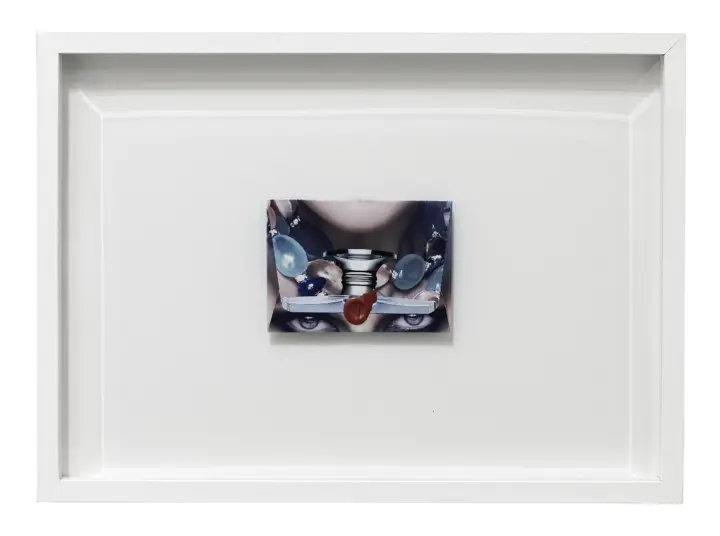
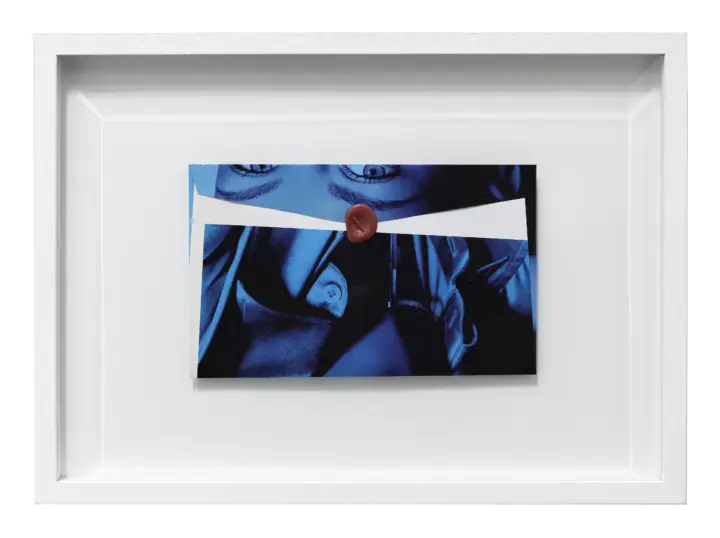
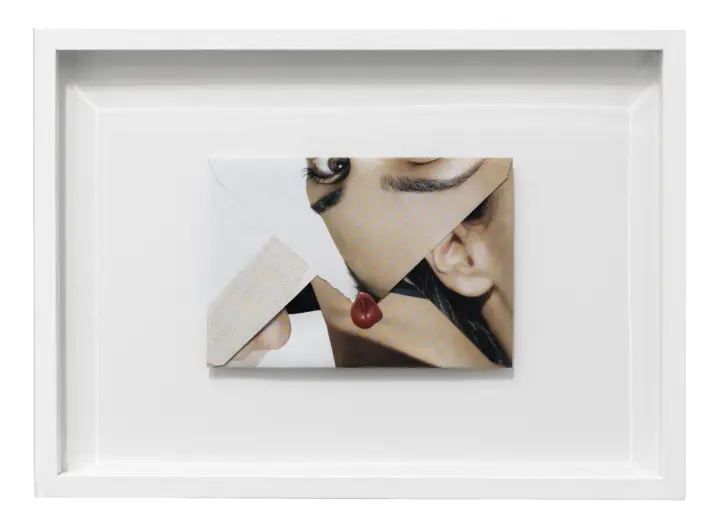
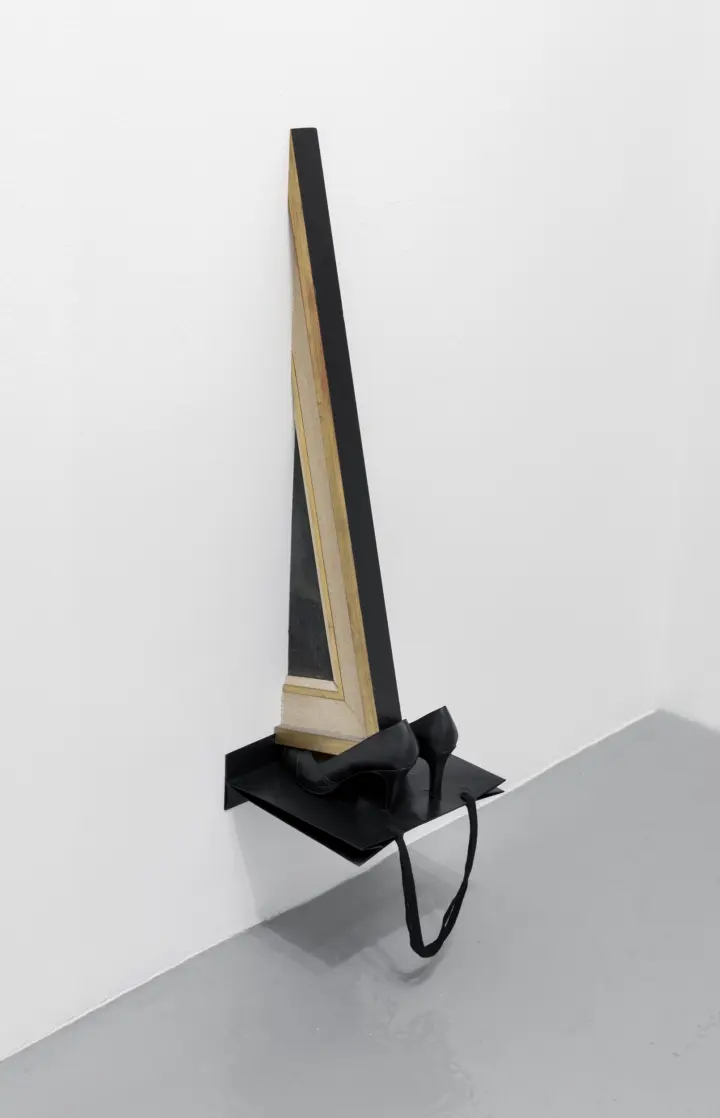
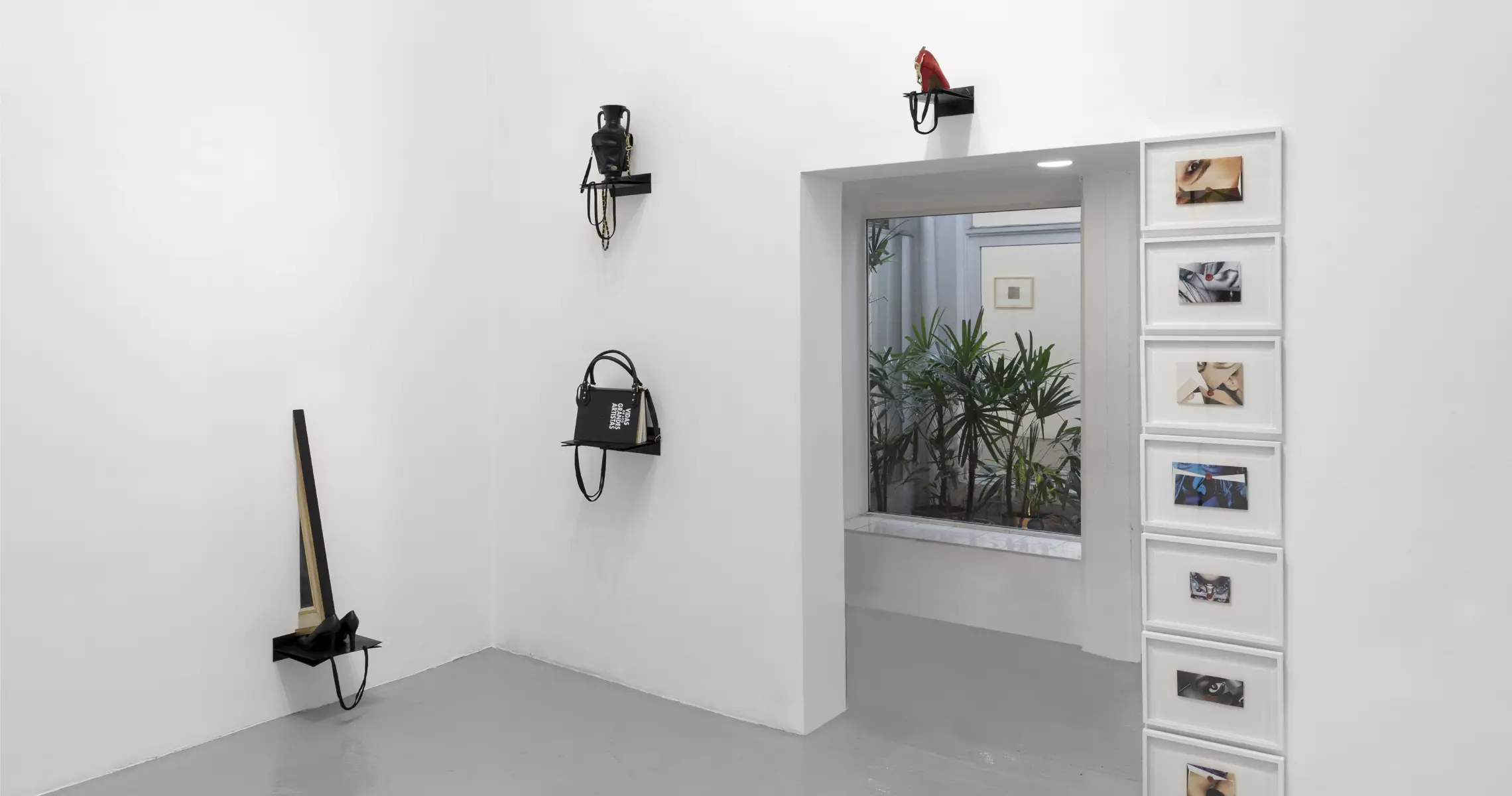
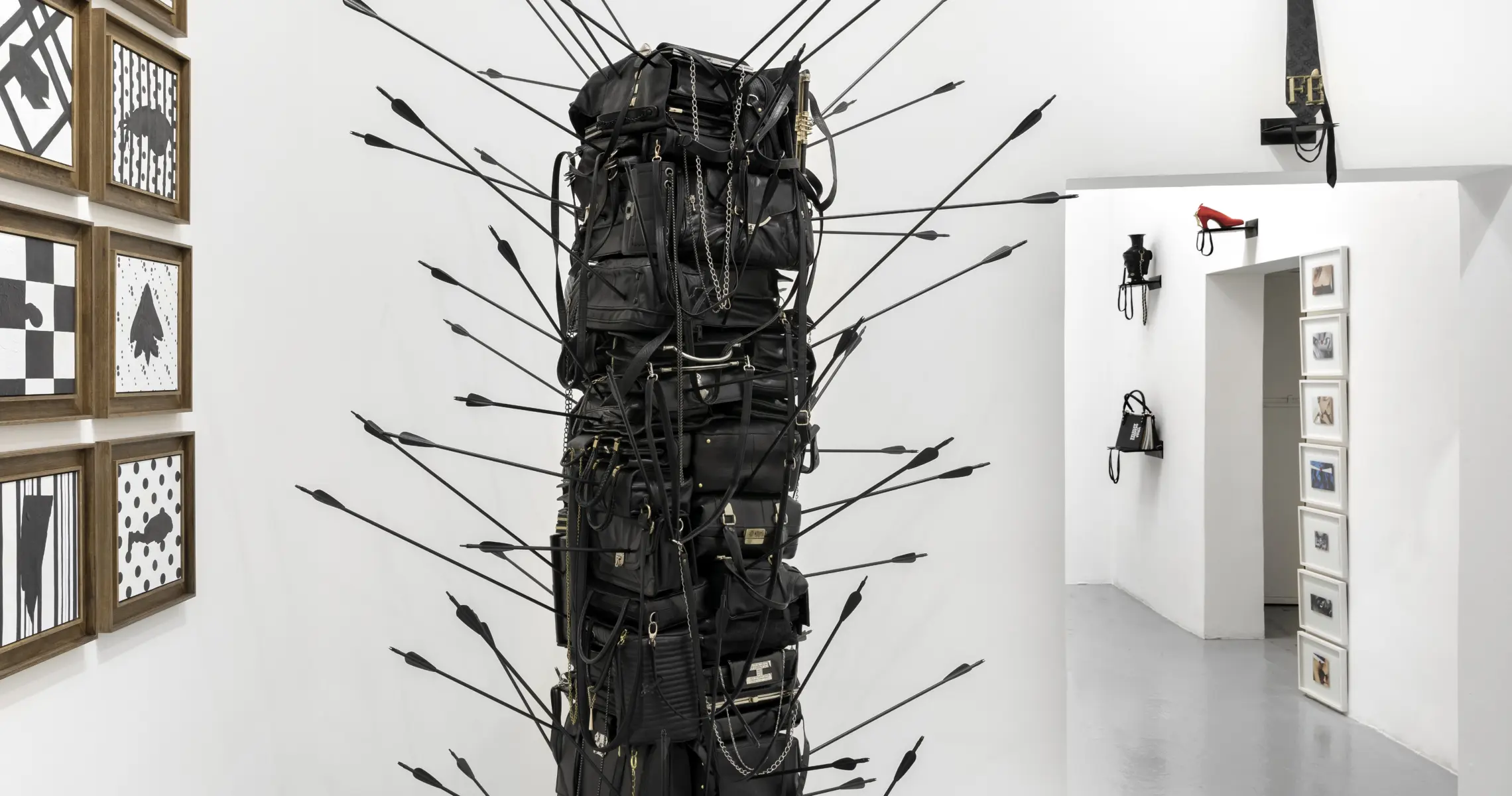
Mariana Telleria works with the intelligence of navigators and spies, an interpreter’s intelligence, omniterritorial in nature, and directs it toward ensuring that the secret inherent in things does not die locked inside them. She says she is interested in “loading things with content but not with meaning,” as if purging forms of their original meaning —idle, junk-like— in order to finally arrive at a center, or a core, that remains filled with something, something entirely different.
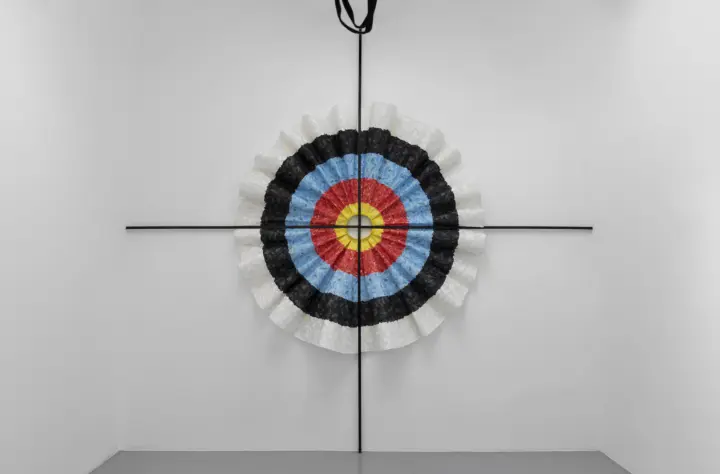
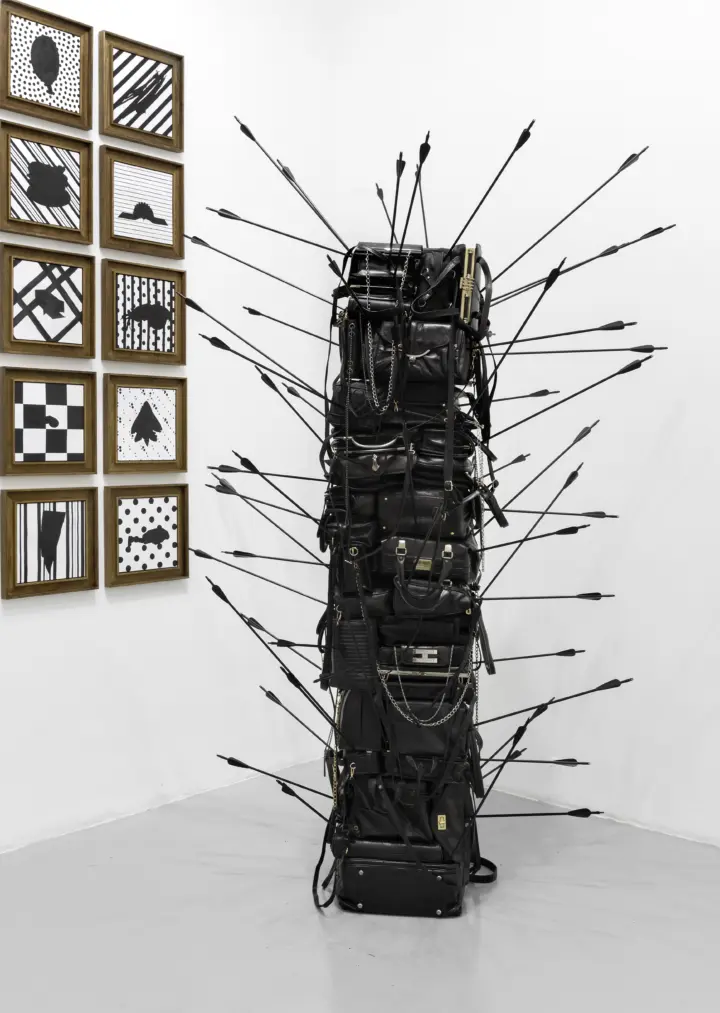
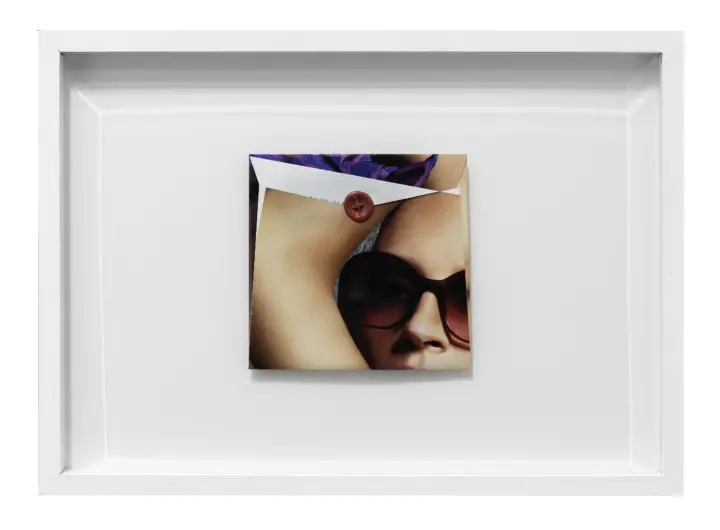
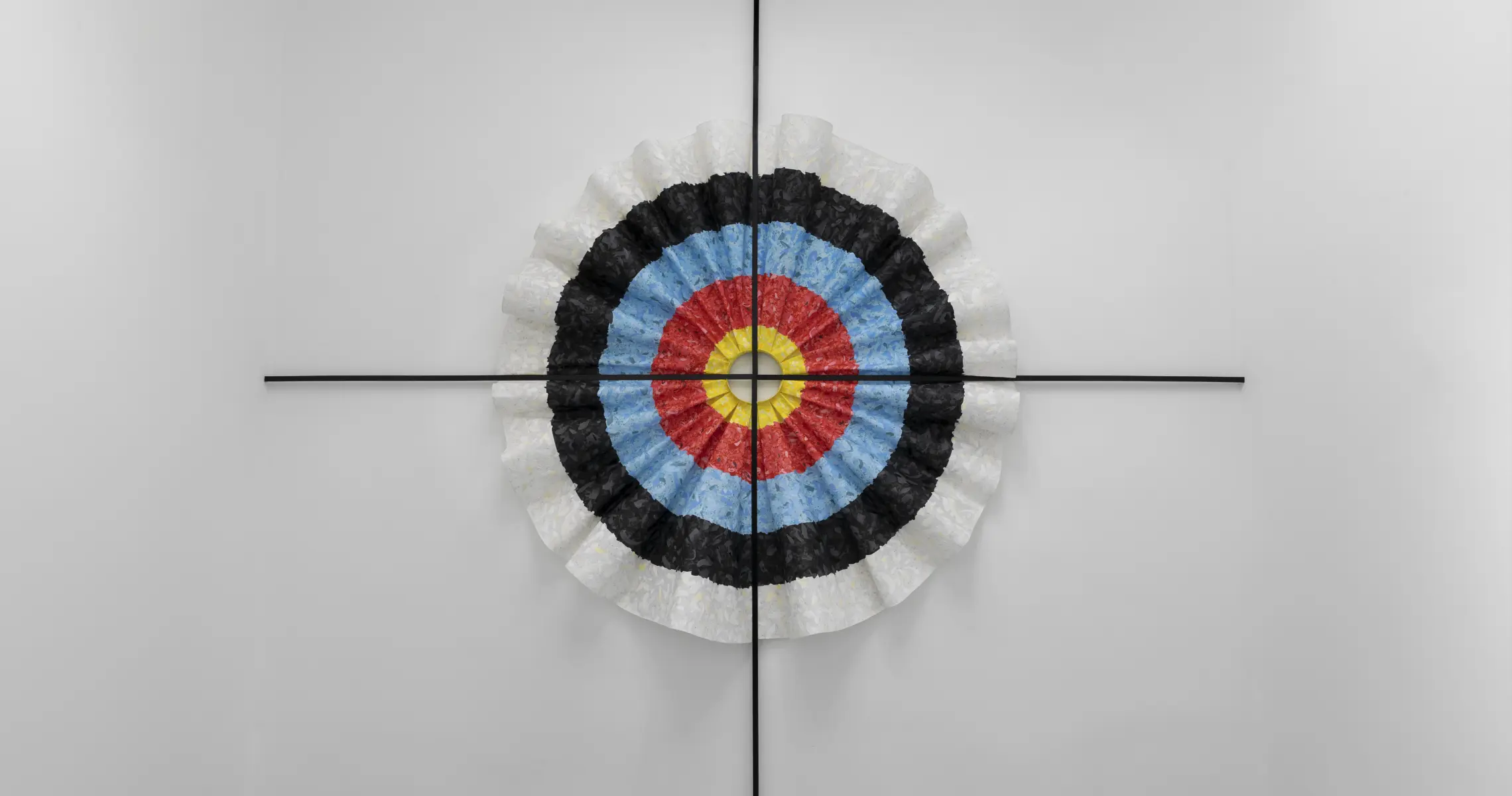
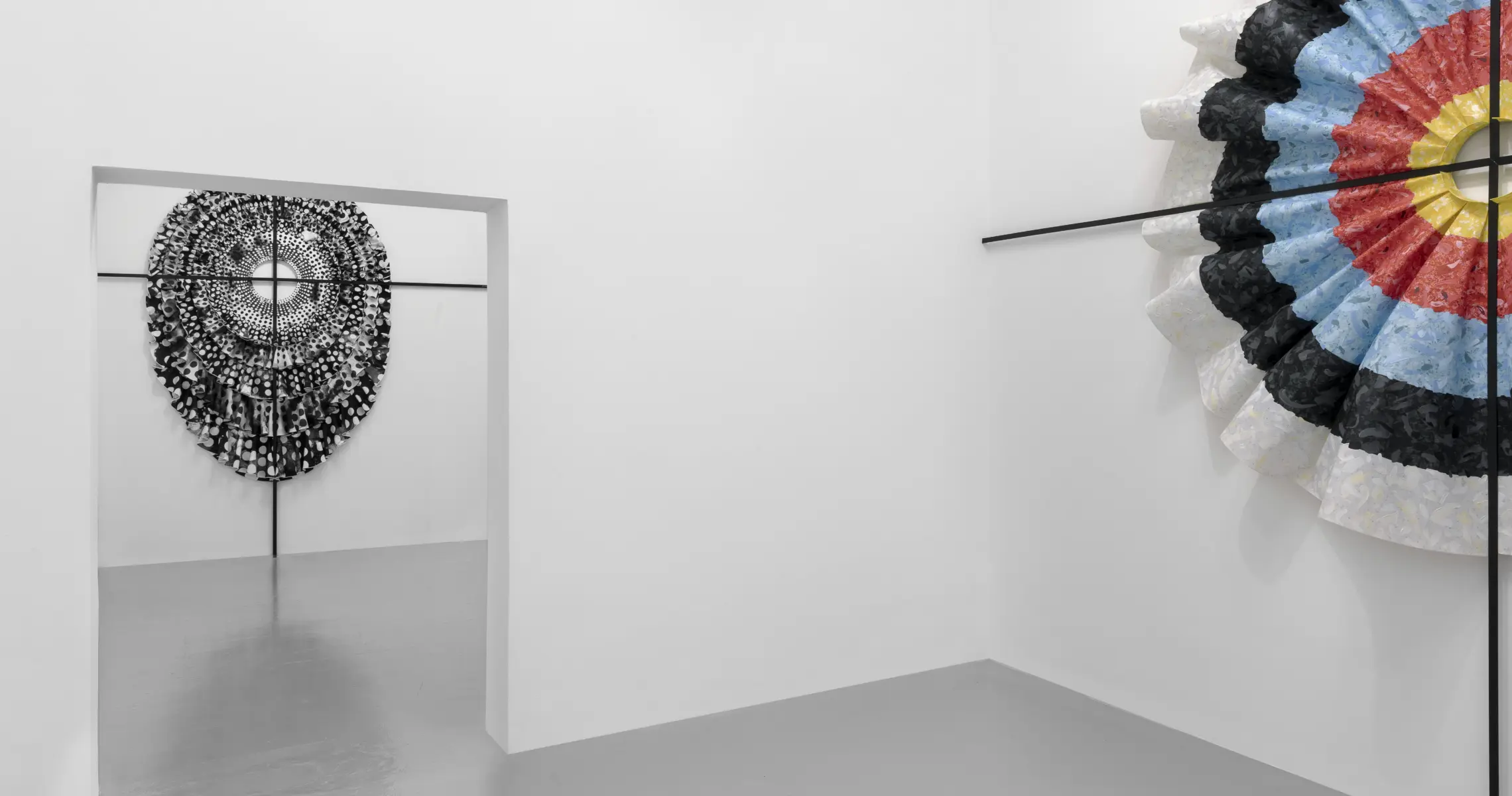
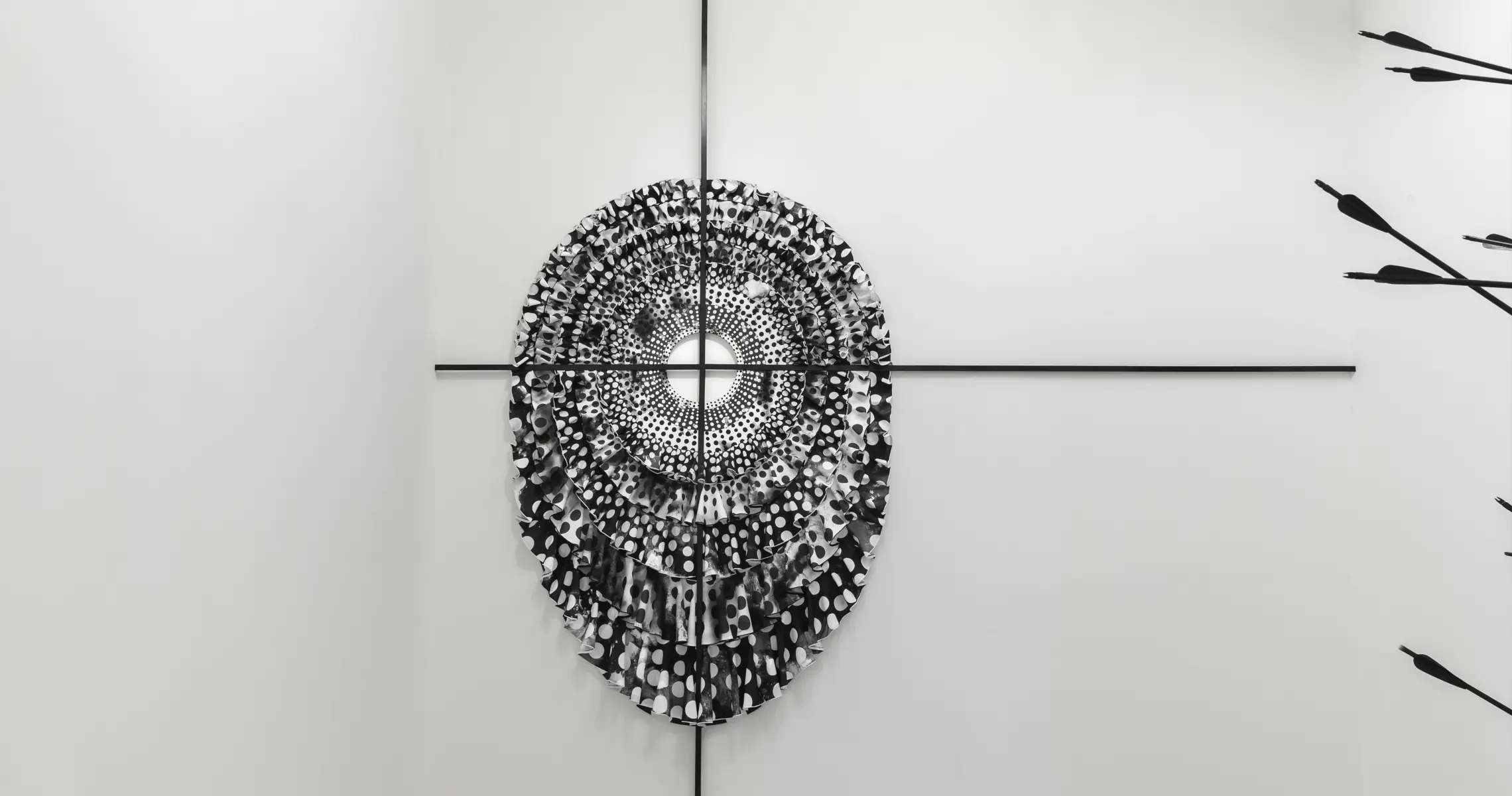
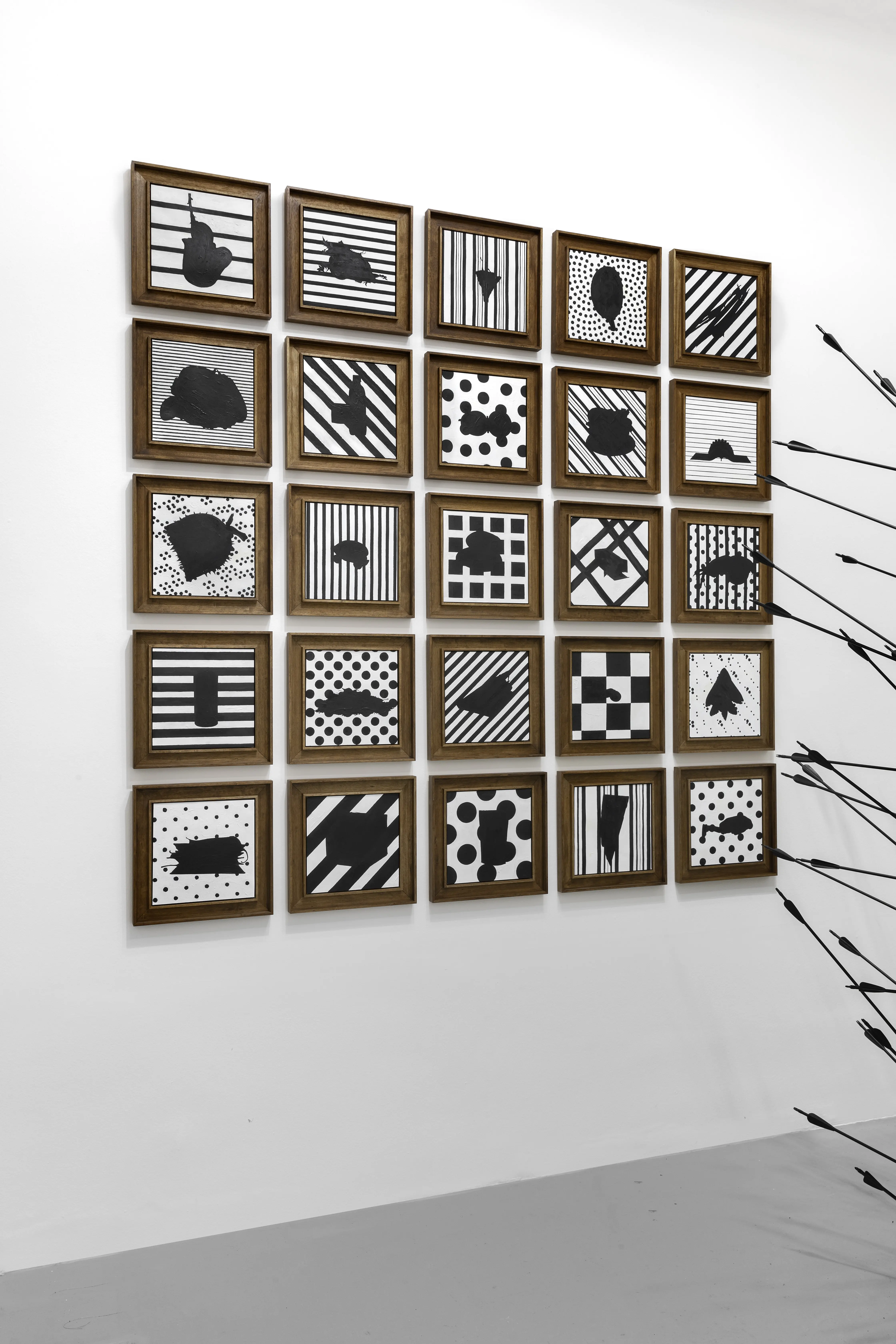
In producing her objects, what she translates are semantic values —tartan, vase, book, target, brushstroke, art, fashion— and, through a multiplicity that may at first appear incompatible, she pursues their mutual integration. By design, the resulting mixture is disruptive, yet it always unfolds under the lingua franca of elegance, that master key Telleria commands like no other and applies with mythological skill to decrypt the layers of semiotic protection surrounding things. This is one of the languages through which things speak to one another.
By coaxing them into revealing themselves, disguising herself as a painter, a fashion designer, a lethal English longbowman with perfect aim, and winning their trust, she distorts the germ of each object’s practical consciousness. It is her intellectual labor that enables one thing to reveal its secrets to another, and in this exchange, all of them, sooner or later, will end up confessing their secrets to her as well. Telleria’s dream is to become one more thing among things, to lose herself in the corridors of patience and deception, like those secret agents who spend decades moving between identities until corrosion settles irreversibly along the boundary separating form from function.
Survivors, ancient navigators, and illusionists thus manifest their particular kind of intelligence: by disguising themselves, hiding among things in order to assimilate the enigmatic logic through which they bestow favors upon one another. This structural and paranoid wisdom, akin to the kind of lucidity embodied by the traditional Surrealist object, expands reason by systematizing distrust toward the way things are supposed to be in the first place. The textual incompatibility between two materials will never be an obstacle to this intelligence, nor will it persuade it that communication between two things —however contradictory they may be— is impossible: Telleria knows that, in ways beyond description, things are always talking to one another.